Comprehending All Concerning Event Management and Its Function in Effective Events
Event management is an essential consider the implementation of successful events. It entails cautious planning and sychronisation to guarantee that every aspect aligns with the intended vision. From company events to social celebrations, the performance of occasion management can significantly influence participant experience. Nevertheless, recognizing the nuances of this field reveals greater than simply logistics. The ins and outs of communication, budgeting, and analysis play important duties fit results. What are the crucial elements that absolutely drive success?
The Value of Event Management
Event management plays an essential role in assuring the success of any kind of celebration, whether it be a business conference, wedding, or festival. It incorporates the preparation, company, and implementation of events, which calls for careful focus to detail and an organized approach. Effective occasion management aids create unforgettable experiences for attendees, promoting interaction and satisfaction.
In addition, effective event management can enhance resource allotment, guaranteeing that spending plans are followed while making the most of the influence of the event. It entails collaborating various aspects such as location option, vendor management, and logistics, all of which add to a seamless experience.
Additionally, efficient event management can mitigate possible risks and obstacles, planning for unforeseen concerns that may develop. By focusing on communication and partnership among stakeholders, occasion managers can ensure that purposes are met, bring about effective outcomes and favorable comments from individuals. Inevitably, the significance of occasion management lies in its capacity to transform visions into truth.
Secret Parts of Event Preparation
In event preparation, numerous vital elements are essential for success. Budget management methods, venue option tips, and timeline advancement essentials form the structure of an effective strategy. Each of these components plays a considerable function in ensuring that an event runs smoothly and fulfills its goals.

Budget Plan Management Techniques
Efficient spending plan management is a keystone of effective occasion preparation. It includes thorough allocation of resources to ensure that all elements of the event are adequately moneyed. An extensive spending plan must include categories such as venue, event catering, entertainment, marketing, and contingency funds for unforeseen costs. To preserve financial control, coordinators need to track expenditures closely and routinely compare them against the budget. Utilizing budgeting software application can streamline this process, offering real-time updates on financial standing. Additionally, obtaining numerous quotes from suppliers can help determine cost-effective remedies without endangering quality. By establishing clear concerns and adhering to a well-structured budget plan, event supervisors can navigate economic obstacles and improve the overall success of the event.
Venue Selection Tips
Selecting the best venue is necessary for any successful event, as it sets the stage for the overall experience. When selecting a place, occasion organizers need to consider elements such as place, capability, and access. The place must be conveniently obtainable for participants, preferably located near transport alternatives. In addition, the dimension has to suit the anticipated number of guests pleasantly, with room for any kind of scheduled tasks. Coordinators must likewise analyze the location's services, consisting of audiovisual devices, seating arrangements, and catering alternatives. Spending plan restraints play a substantial function; as a result, comprehending the total expenses, including hidden charges, is important. Seeing the location beforehand allows for a direct analysis and helps ensure it lines up with the occasion's vision and needs.
Timeline Advancement Essentials
A well-structured timeline is crucial for effective event planning, acting as a roadmap that guides planners with each phase of the procedure. Key parts of timeline advancement consist of setting due dates for each job, from initial idea to occasion implementation. Organizers need to focus on activities, such as securing vendors, verifying the venue, and advertising the event. Regularly updating the timeline ensures that all stakeholders continue to be educated and responsible. Additionally, integrating buffer times for unanticipated delays can assist keep overall momentum. It is necessary to align the timeline with the event's objectives and resources, enabling efficient appropriation of time and budget. Eventually, a well-crafted timeline improves sychronisation and fosters a successful occasion experience for both coordinators and guests.
The Function of Interaction in Events
Efficient communication is crucial in occasion management, making certain that messaging is clear and consistent. It helps with sychronisation amongst various stakeholders, which is crucial for a smooth implementation. Additionally, having durable situation communication approaches in position can greatly minimize challenges that may emerge throughout an event.
Value of Clear Messaging
Clear messaging acts as the foundation of effective occasion management, making sure that all stakeholders-- participants, enrollers, and coordinators-- are straightened in their expectations and understanding. Effective interaction cultivates count on and openness, enabling for clear purposes and wanted end results to be verbalized. When messages are concise and constant, they lower the risk of misunderstandings and false impressions, which can cause functional inefficiencies. Moreover, clear messaging improves guest engagement, as participants are most likely to get in touch with an event when they comprehend its objective and importance. Additionally, it helps in advertising efforts, enabling sponsors to identify the value of their investment. charlotte event companies. Inevitably, clear messaging is vital for creating a natural experience that reverberates with all included, helping with the total success of the event
Coordination Amongst Stakeholders
Successful occasion management counts greatly on smooth control among stakeholders, where interaction plays an essential role. Effective communication guarantees that all celebrations, consisting of vendors, sponsors, and employee, are aligned with the occasion's objectives and timelines. Routine updates and clear directives cultivate a collaborative atmosphere, minimizing misunderstandings and enhancing effectiveness. Stakeholders have to develop open networks of communication, using devices such as emails, meetings, and project management software program to track progression and address problems promptly. In addition, comprehending each stakeholder's duty and responsibilities improves responsibility, ensuring that jobs are executed as planned. Eventually, well-coordinated communication among stakeholders is important for maneuvering the intricacies of occasion planning, causing an effective and remarkable occasion experience for all involved.
Efficient Crisis Communication Approaches
Exactly how other can occasion managers assure that they are gotten ready for unexpected obstacles? Reliable situation communication approaches are essential for managing unexpected circumstances during occasions. To start with, occasion supervisors ought to establish clear interaction networks, making sure all stakeholders are notified immediately. Creating a situation interaction strategy in advance enables speedy activity, outlining roles and obligations. Furthermore, educating personnel to react to situations makes certain that the team is geared up to deal with emergencies efficiently.
Making use of multiple interaction platforms, such as social networks, email, and public statements, aids reach varied target markets promptly. Normal updates throughout a dilemma preserve openness and develop trust fund amongst participants. Eventually, positive preparation and clear interaction can greatly reduce the adverse effect of crises, causing effective occasion management, even in challenging scenarios.
Budgeting and Financial Management
Budgeting and economic management are crucial components of effective occasion planning, as they often establish the overall success of the event. A well-structured budget plan offers as a roadmap, detailing expected costs and profits streams. This economic blueprint helps event managers allocate sources successfully and prevent overspending.
Secret elements of budgeting consist of location expenses, event catering, enjoyment, advertising and marketing, and staffing. Each expenditure should be thoroughly approximated and kept an eye on throughout the preparation process. Financial management additionally entails tracking earnings resources, such as ticket sales and sponsorships, to guarantee economic viability.
Normal monetary reviews enable occasion coordinators to readjust their strategies as necessary, mitigating risks related to unexpected prices. By keeping clear economic documents, occasion managers can show accountability to stakeholders and improve future planning initiatives. Inevitably, efficient budgeting and financial management prepared for providing memorable occasions while attaining organizational objectives.
Logistics and Operational Planning
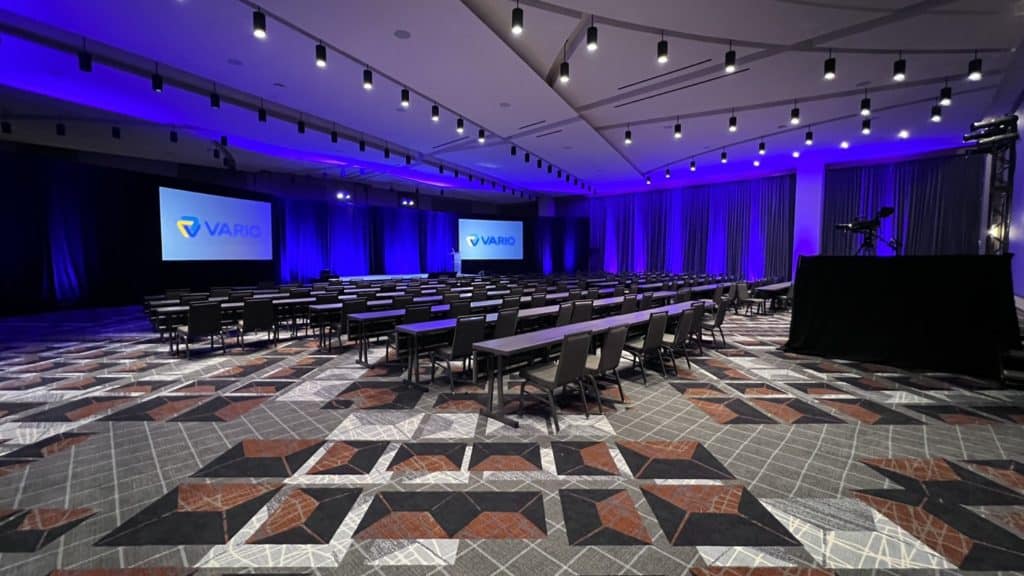
A well-structured budget prepares for reliable logistics and functional my response planning in event management. It makes it possible for event planners to assign resources effectively, making certain that all logistical elements line up with the overall vision. Key elements consist of venue option, transportation setups, and equipment purchase. charlotte event companies. Coordinators must prepare for the needs of participants, suppliers, and personnel, guaranteeing seamless sychronisation throughout the event
Operational planning likewise includes team jobs and training, making sure all team members comprehend their functions. Communication is crucial; for that reason, establishing clear channels amongst stakeholders minimizes misunderstandings. In addition, contingency prepare for unpredicted circumstances, such as harsh weather or technological failures, are important to preserve smooth procedures.
Eventually, the success of an event heavily depends on meticulous logistics and operational preparation. By prioritizing these aspects, coordinators can develop memorable experiences while sticking to spending plan restraints and timelines, consequently attaining organizational objectives.
Advertising And Marketing and Promo Methods
While reliable logistics and operational preparation form the foundation of event management, successful advertising and marketing and promotion techniques are essential for drawing in participants and look at here now ensuring a high level of interaction. These approaches often begin with determining the target market, which permits occasion coordinators to tailor their messaging and choose ideal communication channels. Making use of social media sites systems, e-mail advertising, and collaborations with influencers can greatly amplify reach and visibility.
Furthermore, producing compelling material such as video clips, blog sites, and graphics can create passion and exhilaration around the event. Early bird ticket deals and promotional discounts also act as effective motivations for possible guests. Engaging narration and clear phone call to action are pivotal in transforming interest right into actual presence. In addition, leveraging analytics aids in evaluating the effectiveness of advertising and marketing efforts, allowing organizers to adjust methods in real-time. Collectively, these aspects contribute to an effective occasion that reverberates with its audience.
Reviewing Event Success and Feedback
Effective evaluation of occasion success and responses is crucial for continuous improvement and lasting growth in event management. This process involves systematically gathering and examining information connected to different aspects of an occasion, including guest satisfaction, logistical execution, and general effect. Surveys, interviews, and emphasis teams are typical methods employed to collect qualitative and quantitative responses from participants.
Key performance signs (KPIs) such as participation numbers, revenue generation, and social media engagement also play a vital role in measuring success. By analyzing this details, event supervisors can identify staminas to construct upon and weaknesses to attend to in future occasions.
Comments allows for modifications to be made in real-time, boosting the attendee experience and fostering loyalty. Inevitably, a comprehensive analysis procedure not just notifies future planning but likewise contributes to a more robust credibility for the event management group, ensuring sustained success in an affordable landscape.
Regularly Asked Questions
What Credentials Are Needed to End Up Being an Event Manager?
To become an event manager, individuals usually call for a mix of appropriate education, such as a level in hospitality or company management, and useful experience in planning, arranging, and carrying out numerous kinds of events successfully.
Exactly how Do I Pick the Right Place for My Event?
Picking the right location includes examining the occasion's function, ability, location, amenities, and budget plan. An extensive testimonial assurances that the venue aligns with the event's goals and enhances the total experience for participants.
What Innovation Devices Are Necessary for Event Management?
Necessary innovation tools for event management include registration software, occasion applications, ticketing platforms, job management tools, and analytics software application. These resources enhance planning, boost participant engagement, and assist in interaction, ultimately adding to an effective occasion experience.
How Do I Handle Unexpected Problems Throughout an Event?
To handle unforeseen issues during an occasion, one must stay calm, examine the scenario, communicate effectively with the team, execute pre-planned backup measures, and adjust promptly to guarantee very little interruption to the total experience.
What Are the Most Recent Fads in Event Management?
The current fads in occasion management include virtual and hybrid styles, sustainability techniques, individualized participant experiences, boosted use of technology, and immersive environments. These patterns aim to produce even more interesting and memorable experiences for individuals.
Comments on “The role of charlotte event companies in corporate conferences”